TechShop used to have a medium sized vacuum forming machine, but it was lost in one of their moves. Those are useful for tool trays. Lay down all the tools for some kit, vacuum-form a tray, and put the tray in a case for the kit. Often used in aerospace, where you want to make sure nobody left a wrench inside the engine or fuel tank.
It is much easier and faster. My friends father had a vacuum forming business, mostly making blister packs. I even worked with him fixing a big packaging machine in Brooklyn. You can make a primitive version with a plywood box with drilled holes and a vacuum cleaner.
People who have been in manufacturing for a long time understand all the methods used and the common theme is simplicity. There are tons of great uses for 3D printing but like robot arms, I see them misused time and time again to perform tasks a much simpler process/mechanism can perform. Go watch the TV show "How It's Made" and some of the machinery and mechanisms are delightfully simple. This is what universities don't teach their students and they graduate only knowing how to wield giant, complex hammers.
Wow, we used to have a florist/floral nursery around my parent's place LONG ago (like, they had to have ripped it down by the early 2000s) and for years I vaguely recalled it having a somewhat unique looking sign with a big globe lamp and two stacked, rounded-corner rectangular plastic signs. This was almost certainly the brand of sign it was, and the installation of the sign was probably some time in the 1970s. Amazing what small, inconsequential mysteries get solved by a blog article.
I grew up seeing these signs all over and never gave them a thought. I love articles that bring something to my attention that I never thought to think about.
For other Australians, I'm not seeing that, and the article is totally SFW. It's all about the technology of signs for small retail & service stores in the 20th Century. I assume the comment above was a joke that initially went whoosh over my head.
If you ever find yourself in Cincinnati, Ohio, one of the most underrated things there is the "American Sign Museum" which has many examples of this form of signage, as well as the history of advertising signage. They even have a neon glass signworks on-site.
Ironically, the informational signage on the exhibits is somewhat lacking, so I recommend taking the free guided tour, which is about 45-60 minutes in length.
Something about that rounded-rectangle shape is evocative of the YouTube logo - perhaps I was primed towards that as one of the signs shown is advertising "TV's".
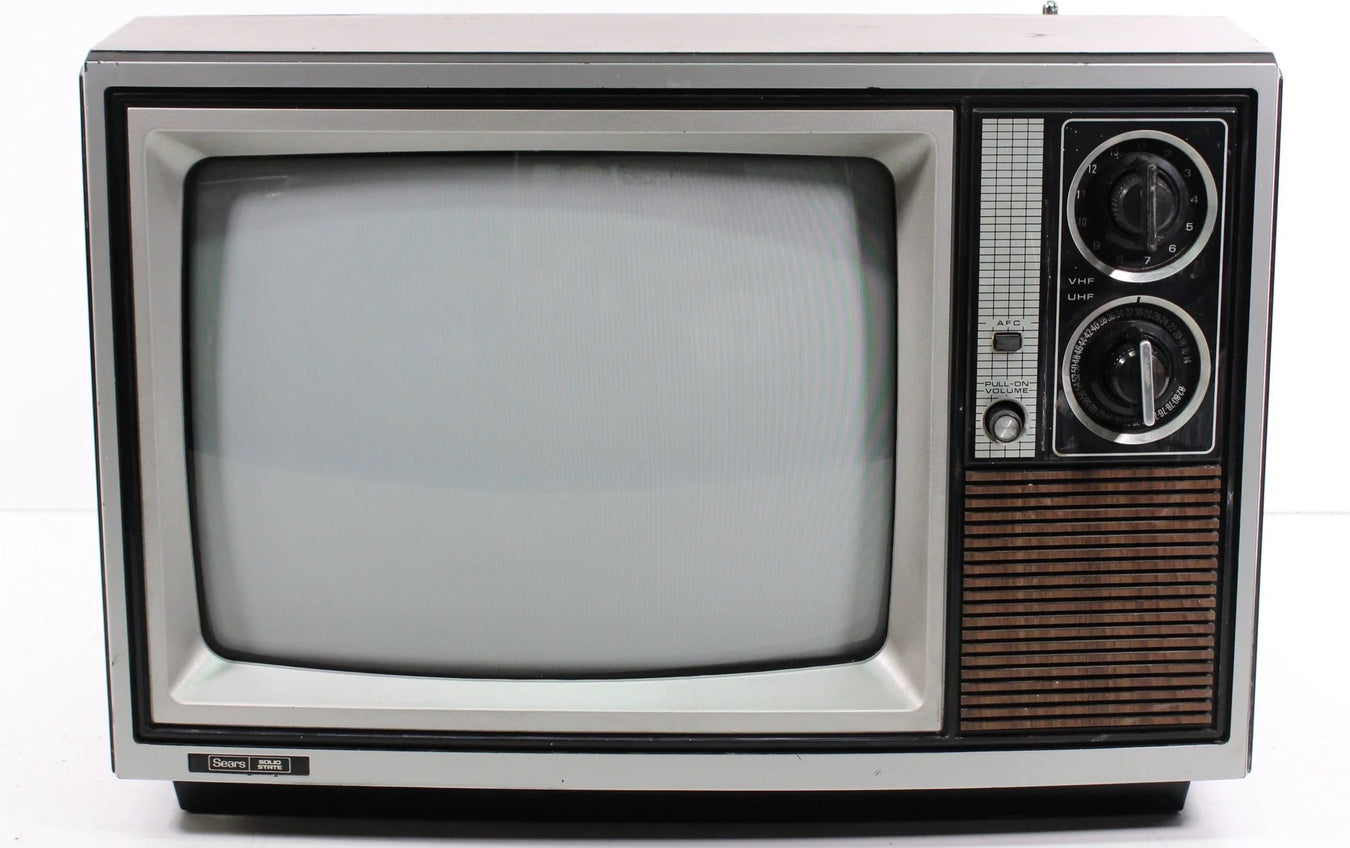
I'm fairly certain that the YouTube logo, especially the original one, is meant to symbolize a Cathode Ray Tube (CRT) TV like this one: https://spencertified.com/cdn/shop/collections/Sears-Solid-S... (random example from image search). In times of linear TV, you'd ask whether anything was on the tube when you were wondering whether you'd want to watch something.


TechShop used to have a medium sized vacuum forming machine, but it was lost in one of their moves. Those are useful for tool trays. Lay down all the tools for some kit, vacuum-form a tray, and put the tray in a case for the kit. Often used in aerospace, where you want to make sure nobody left a wrench inside the engine or fuel tank.
[1] https://www.youtube.com/watch?v=lCvgvWiZNe8
reply